
The CDC estimates that 6 to 12 million lice infestations occur each year among children ages 3 to 11 in the United States, and the return to school each fall brings children back into close contact. For families in Toms River, Brick, Jackson, and across Ocean County, a proactive prevention checklist can mean the difference between a smooth start and weeks of frustration.
Why Is Back-to-School Season a Peak Time for Lice?
Head lice thrive on close human contact, and the school environment provides exactly that. Activities common in the first weeks of school, including icebreaker games, group reading circles, shared cubbies, and locker assignments, create frequent opportunities for head-to-head contact. MedlinePlus notes that children aged 3 to 11 are the most affected demographic because their play and social habits involve more physical proximity than older students. In Ocean County schools from Point Pleasant to Barnegat, the combination of summer camps ending and classrooms filling up creates a perfect storm for lice transmission. Understanding this pattern allows parents to act before an infestation takes hold rather than reacting after one has spread.
What Should Your Pre-School Head Check Include?
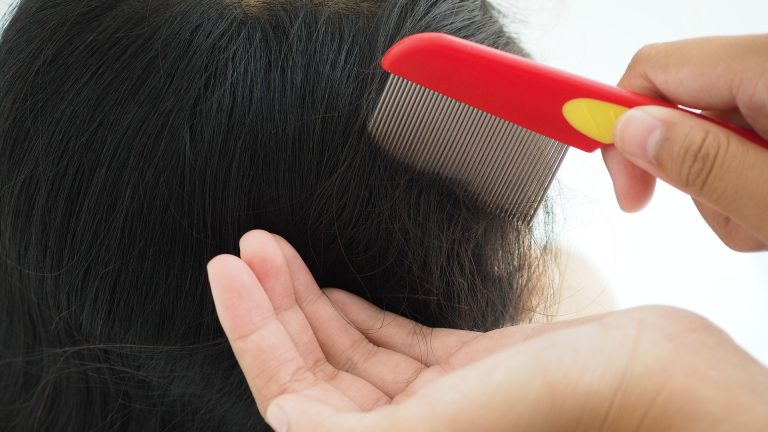
A baseline head check before the first day of school is a good idea. This establishes whether your child is already carrying lice from summer activities like camps, sleepovers, or travel. Use a fine-toothed metal nit comb on wet, conditioned hair and section the hair into one-inch parts. Check behind the ears, at the nape of the neck, and along the crown where lice prefer the warmth. Wipe the comb on a white paper towel after each stroke and inspect for live lice, nymphs, or nits.
At Lice Lifters of Ocean County, we encourage families to schedule a pre-school head check at our Toms River clinic. Catching an issue before school starts prevents your child from unknowingly spreading lice to classmates. For a full tutorial, see our step-by-step head check guide.
Which Daily Habits Reduce Lice Risk During the School Year?
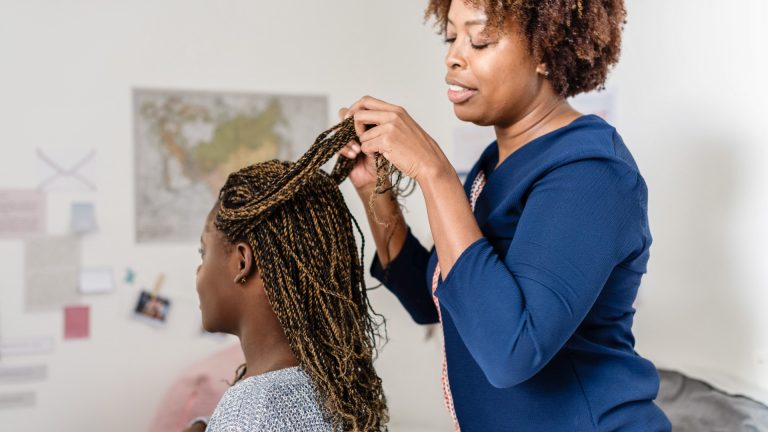
Consistent daily habits are more effective than any single product. Keep long hair pulled back in braids, buns, or ponytails to reduce the chance of hair-to-hair contact. Teach children to avoid sharing items that contact the head, including hats, helmets, hair accessories, headphones, and pillows. Label your child’s belongings clearly so they are less likely to grab someone else’s hat or scarf by mistake. Store coats and hats in individual cubbies or bags rather than shared hooks where items touch. For families in Lacey and Jackson, these small adjustments integrate easily into the morning routine and provide meaningful protection throughout the school day.
Should You Use Lice Prevention Products?
Products marketed as lice-repellent sprays and shampoos are widely available but have limited clinical backing. Some families find these products provide peace of mind, and they are unlikely to cause harm, but they should not replace behavioral strategies like tying hair back and avoiding head-to-head contact. For a detailed breakdown, read our review of lice prevention products.
How Do You Handle Shared Spaces Like Lockers and Cubbies?
Shared storage creates indirect contact opportunities. Children should keep their hats, scarves, and coats in individual bags or backpacks rather than hanging them on shared hooks. If your child’s school uses shared cubbies, a simple drawstring bag keeps personal items contained. While the CDC notes that lice transmission from shared items is less common than direct head contact, it still occurs.
What About After-School Activities and Sports?
Extracurricular activities extend the exposure window beyond the school day. Contact sports like wrestling, football, and cheerleading create sustained head-to-head contact. Shared helmets in sports programs are a known transmission vector. Children should use their own helmets whenever possible, and shared equipment should be stored separately between uses. For a comprehensive look at sports-related risks, see our guide on lice, sports, and helmet transmission.
How Should Parents Communicate with Schools About Lice?
Open communication between parents and schools is one of the most effective tools for controlling outbreaks. If your child has lice, notify the school promptly so other families can check their children. The AAP has moved away from no-nit policies, which the organization considers counterproductive because they keep children out of school unnecessarily and have not been shown to reduce transmission. Ask your school about its current lice policy and advocate for evidence-based approaches if needed. Families in Toms River, Brick, and Point Pleasant can help shift the culture by treating lice as a common childhood occurrence rather than a source of shame.
What If Your School Still Has a No-Nit Policy?
Some Ocean County schools still enforce no-nit policies despite the AAP and National Association of School Nurses recommending against them. If your school requires nit-free clearance, professional treatment is the fastest path back to the classroom. At Lice Lifters of Ocean County, our enzyme-based treatment removes both live lice and nits in a single visit, allowing children to return to school the next day.
What Is Your Complete Back-to-School Lice Prevention Checklist?
Here is a consolidated checklist based on CDC and AAP guidelines that Ocean County families can follow. Perform a baseline head check on every family member before school starts. Establish a weekly wet-combing routine throughout the school year. Keep long hair tied back in braids, buns, or ponytails every school day. Label all hats, helmets, hair accessories, and headphones with your child’s name. Store personal items in individual bags rather than shared hooks or cubbies.
Teach children to avoid head-to-head contact during play and selfies. Communicate with your school’s nurse and other parents openly when cases are found. Avoid pesticide sprays in the home as they are unnecessary and potentially harmful. Schedule a professional head check at Lice Lifters of Ocean County if you want expert confirmation. Know that our Toms River clinic is available for same-day treatment if an infestation is found, serving families from Brick, Jackson, Lacey, Point Pleasant, and Barnegat.
Establishing a consistent back-to-school lice prevention routine pays dividends throughout the entire academic year. The first 6 weeks of school represent the highest-risk window, as children re-establish close physical contact with classmates after summer break.
During this period, performing head checks every 3 to 4 days can catch new infestations before they have time to multiply. A single undetected female louse keeps laying eggs every day, making early detection the most powerful prevention tool available to parents. By combining daily hair management, weekly screening, open communication with schools, and a trusted professional treatment resource, Ocean County families can approach each school year with confidence rather than anxiety about head lice.
Frequently Asked Questions
When should I start checking for lice before school starts?
Check one to two weeks before the first day of school. This gives you time to treat any issues found during summer camps or travel. A baseline check ensures your child starts the year lice-free and is not unknowingly carrying an infestation into the classroom.
How often should I check my child during the school year?
Regular head checks during the school year are a good idea, with increased frequency during known outbreaks. Wet combing with a fine-toothed nit comb on conditioned hair takes about 10 minutes and is the most accurate home detection method.
Can lice spread through shared school supplies?
Lice spread primarily through direct head-to-head contact, not shared supplies like pencils or books. The AAP notes that transmission through shared hats, helmets, or hair accessories is possible but less common. Keeping personal items labeled and stored separately reduces even this small risk.
Should I treat my child preventively before school?
The CDC does not recommend preventive treatment with pediculicides when no lice are present. Overuse of these products contributes to the growing problem of pesticide-resistant super lice. Rather than applying chemical products preventively, families should focus on behavioral prevention strategies like daily hair-up routines, avoiding direct head-to-head contact during play and selfies, and performing regular weekly screening with a fine-toothed nit comb on wet conditioned hair throughout the entire school year.
What does Lice Lifters of Ocean County recommend for school-year prevention?
We recommend a combination of weekly head checks, daily hair-up habits, open communication with your school, and a professional screening before the school year. If lice are found, our single-visit enzyme-based treatment gets children back in the classroom quickly.
Do lice prefer certain ages of children?
The CDC reports that children aged 3 to 11 are most commonly affected, and some studies suggest girls get head lice more often than boys, probably due to more frequent head-to-head contact. Preschool and elementary school children in Ocean County are at the highest risk during the school year.