Few things rattle a parent’s morning routine like a call from the school nurse saying your child has head lice. According to the CDC, approximately 6 to 12 million children between ages 3 and 11 are treated for head lice every year in the United States. Suddenly you’re scrambling — confused by unfamiliar policy language, worried your child will fall behind academically, and unsure what steps to take first. If you live in Toms River, Brick, Lakewood, Jackson, Howell, Barnegat, and Point Pleasant and have just gotten “the call,” you’re not alone, and you have more options than you think.
Why Are School Lice Policies So Confusing for Ocean County Parents?
For decades, schools across Ocean County, including Ocean Gate, and the rest of the country followed a strict “no-nit” policy — meaning any child found with lice or nits (lice eggs) was immediately sent home and couldn’t return until every single nit was removed. It sounded sensible on the surface, but the reality was far more complicated.
In 2015, the American Academy of Pediatrics (AAP) updated its clinical guidance, recommending that schools move away from no-nit policies. The AAP believes these policies cause children to miss unnecessary days of school without meaningfully reducing lice transmission. The Centers for Disease Control and Prevention (CDC) echoed this stance, noting that nits found more than a quarter inch from the scalp have almost certainly already hatched or are no longer viable.
Despite these recommendations, school districts in Toms River, Brick, Lakewood, Jackson, Howell, Barnegat, and Point Pleasant vary widely in how they handle lice. Some have adopted the newer, evidence-based guidelines. Others still enforce strict no-nit rules, leaving parents caught in the middle.
No-Nit Policies vs. Live-Lice-Only Policies
Understanding the two main policy frameworks can help you navigate your school’s specific rules and advocate for your child effectively.
- No-nit policies require that a child be completely free of both live lice and nits before returning to school, even though many nits may be empty casings or non-viable eggs that pose zero transmission risk
- Live-lice-only policies allow children with nits (but no live lice) to remain in school, recognizing that nits alone do not spread and that keeping kids in the classroom supports their education
- Hybrid policies used by some districts in Toms River, Brick, Lakewood, Jackson, Howell, Barnegat, and Point Pleasant may send a child home for the day but allow return after initial treatment, even if some nits remain
- Notification-only policies inform parents of a lice finding but do not exclude the child, relying instead on home treatment after school hours
However, enforcement can still vary from school to school — and even from nurse to nurse — within the same district.
What Are the Different Types of School Lice Policies?
When your child is flagged for head lice at school in Ocean County, the immediate impact depends entirely on which policy framework your school follows. The emotional toll, however, is universal — children feel embarrassed, parents feel stressed, and the whole family’s schedule gets disrupted.
What Typically Happens at School
Every school’s process is slightly different, but knowing the general sequence can help you stay calm and prepared.
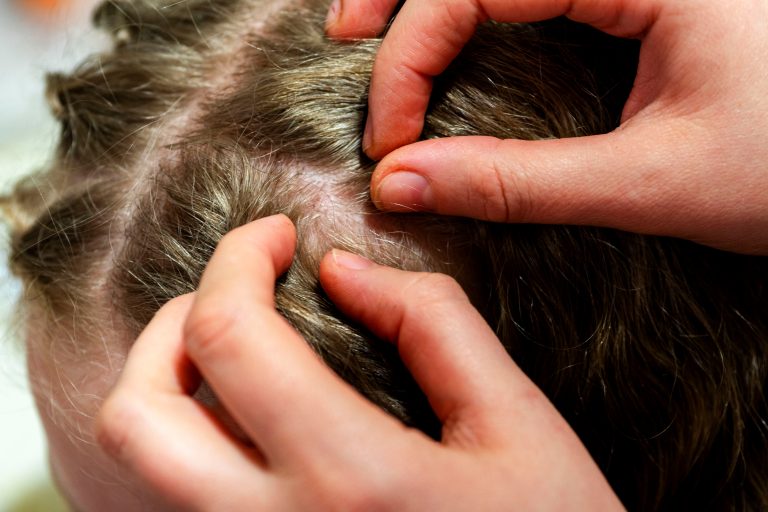
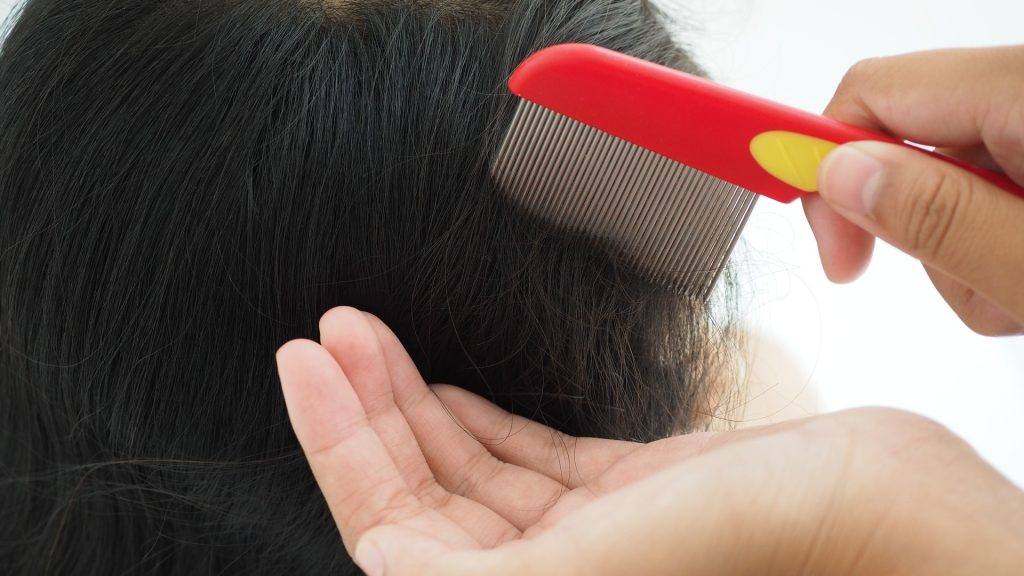
- The initial screening: A school nurse or trained staff member checks your child’s scalp, usually after a report from a classmate’s parent or during a routine check — roughly 6 to 12 million children between ages 3 and 11 get head lice each year in the U.S., according to the CDC
- The notification: You’ll receive a call, note, or email explaining the finding and outlining next steps based on your school’s policy
- The exclusion decision: Under no-nit rules, your child may be sent home immediately; under live-lice-only policies, they may finish the school day and begin treatment at home that evening
- The re-entry requirement: This is where policies diverge most — some schools require a nurse re-check, some ask for parent confirmation, and some request documentation from a professional lice treatment provider
“Parents often tell us they feel blindsided — not just by the lice, but by the confusing patchwork of rules,” says a Lice Lifters treatment specialist. “We help families in Toms River, Brick, Lakewood, Jackson, Howell, Barnegat, and Point Pleasant understand their school’s specific requirements so they can get their kids back to class quickly.”
How Does Lice Lifters Help with School Re-Entry?
This is where professional treatment becomes a genuine advantage for families in Ocean County. When you choose Lice Lifters of Ocean County, you’re getting effective, same-day treatment.
Our all-natural, non-toxic treatment process is completed in a single visit. We use no heated-air devices, relying instead on our proven, gentle treatment protocol that is safe for children of all ages. And because we stand behind our work with a 30-day guarantee, you can be confident the problem is truly resolved.
Over-the-counter lice treatments have seen increasing resistance in some regions. Professional treatment avoids this gamble entirely, getting your child cleared and back in the classroom faster.
How Can Parents Advocate for Better Lice Policies in Their District?
If your school in Toms River, Brick, Lakewood, Jackson, Howell, Barnegat, and Point Pleasant still enforces a strict no-nit policy, you have every right — and good reason — to advocate for change. The evidence is clear: no-nit policies cause unnecessary absenteeism without reducing the spread of lice.
The AAP and the National Association of School Nurses (NASN) discourage no-nit policies. When you raise this with your school board or PTA, you’re not being difficult — you’re being an informed advocate for your child’s education.
Steps You Can Take
Getting involved doesn’t require a medical degree — it just takes a willingness to start the conversation with the right information.
- Request your school’s written lice policy so you know exactly what rules are being enforced and whether they align with current AAP and CDC recommendations
- Share the AAP’s clinical report and the CDC’s lice FAQ page with your school nurse, principal, or school board — sometimes outdated policies persist simply because no one has formally reviewed them
- Connect with other parents in Toms River, Brick, Lakewood, Jackson, Howell, Barnegat, and Point Pleasant who’ve experienced the same frustration; collective voices carry more weight than individual complaints
- Suggest professional screening partnerships where a provider like Lice Lifters of Ocean County could offer educational resources or screening support to the school community
“We’ve seen real change happen when parents approach their schools with compassion and data,” notes a Lice Lifters team member. “Schools want to do the right thing — they just need updated information and practical alternatives.”
What Is the Fastest Way to Get Your Family Through a School Lice Situation?
Dealing with lice is stressful enough without having to decode school policy language, argue for re-entry, or wonder if the treatment you chose actually worked. Families across Toms River, Brick, Lakewood, Jackson, Howell, Barnegat, and Point Pleasant trust Lice Lifters of Ocean County because we eliminate the guesswork. Our all-natural, non-toxic treatment is done in one visit and backed by a 30-day guarantee.
Don’t let a lice situation cost your child days of learning. Book an appointment with Lice Lifters of Ocean County today and get your child back to school tomorrow.
Frequently Asked Questions
Can my child go to school with nits but no live lice?
It depends on your school’s policy. Schools following AAP and CDC guidelines (live-lice-only policies) typically allow children with nits to attend. Schools with no-nit policies require complete nit removal first.
How many days of school does a child typically miss due to lice?
Under strict no-nit policies, children can miss two to five days or more, especially when OTC treatments fail. With professional treatment at Lice Lifters, most children can return the very next school day.
Will the school notify other parents if my child has lice?
Most schools in Toms River, Brick, Lakewood, Jackson, Howell, Barnegat, and Point Pleasant send a general notification to the class without naming the affected child. Privacy practices vary by district, so ask your school nurse about their specific communication protocol.
Are schools required to do lice screenings?
There is no federal requirement for school lice screenings, and practices vary by state and district in Ocean County. Some schools conduct routine checks, while others only screen when a case is reported. The AAP does not recommend routine classroom-wide screenings.
Our Toms River clinic offers Pine Beach lice treatment for families in your area. Our Toms River clinic offers Point Pleasant Beach lice treatment for families in your area.