

The CDC estimates that 6 to 12 million lice infestations occur annually among U.S. children aged 3 to 11, and every one of those cases starts with a single exposure event. When you get the call from your child’s school in Toms River or a text from another parent in Brick saying lice were found, the clock starts ticking. Here is exactly what to do.
What Should You Do Immediately After Lice Exposure?
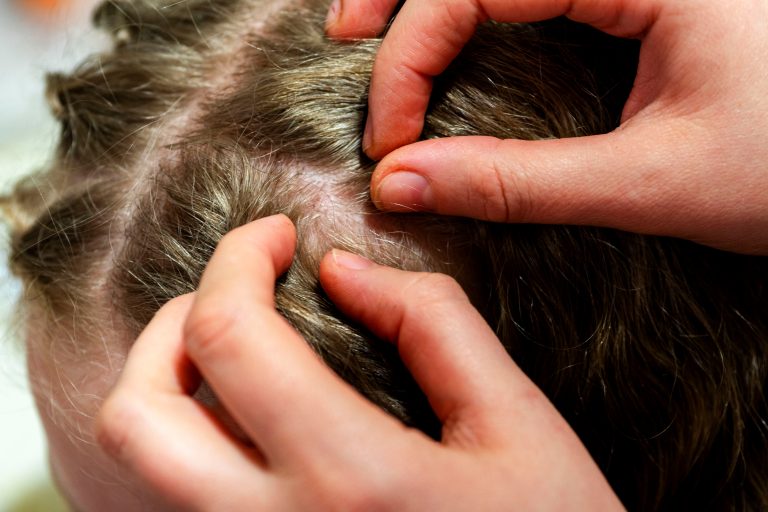
The first step is a thorough head check. Use a fine-toothed nit comb on wet, conditioned hair within 24 hours of known exposure. At Lice Lifters of Ocean County, we offer head checks at our Toms River clinic so families can get a definitive answer quickly. Do not wait for symptoms. The CDC notes that itching may not begin for four to six weeks after initial infestation because the allergic reaction to lice saliva takes time to develop. Checking everyone in the household, including adults, is essential.
How Do You Check for Lice After a Known Exposure?
Systematic wet combing is the gold standard. Start by wetting the hair and applying a generous amount of white conditioner, which slows lice movement and makes them visible against the white background. Section the hair into one-inch parts using clips and comb from the scalp outward with a fine-toothed metal nit comb. Wipe the comb on a white paper towel after each pass and inspect for live lice or nits. The AAP notes that nits found more than a quarter-inch from the scalp are likely already hatched or nonviable. Focus on the areas behind the ears and at the nape of the neck, where lice prefer the warmth. Families in Jackson, Lacey, and Point Pleasant can also bring their children to our clinic for a professional screening if they want certainty. For a complete walkthrough, see our step-by-step head check guide.
Which Household Items Need Cleaning After Lice Exposure?
The CDC recommends a targeted approach rather than deep-cleaning the entire house. Lice cannot survive more than 48 hours off a human host, so focus on items that had direct head contact in the past two days. Machine wash bedding, pillowcases, and recently worn hats in hot water at 130 degrees Fahrenheit and tumble dry on high heat for at least 20 minutes. Items that cannot be washed should be sealed in a plastic bag for two weeks.
Soak combs and brushes in hot water above 130 degrees for 10 minutes. Vacuuming upholstered furniture and car seats is reasonable but not critical, as lice found on furniture are typically injured or dying and unlikely to transfer. Families in Barnegat and throughout Ocean County can save time and stress by focusing cleaning efforts where they matter most.
Do You Need to Treat Your Home with Pesticide Sprays?
No. The CDC and AAP both advise against using fumigant sprays or pesticide treatments in the home for lice. These products are unnecessary because lice cannot survive away from the human scalp for more than 48 hours. Spraying chemicals exposes your family to toxins without providing any benefit. Simple laundering and vacuuming are sufficient.
Should Siblings and Parents Get Checked Too?
Absolutely. The AAP recommends checking all household members when one person has confirmed lice. At Lice Lifters of Ocean County, we check the whole family during every visit because treating only the symptomatic child leaves the door open for the cycle to continue. Read more in our guide on why the whole family needs a head check.
Can You Prevent Lice from Taking Hold After Exposure?
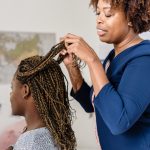
If your head check comes back clear after a known exposure, daily monitoring for the next two weeks is a sensible approach. Lice eggs hatch in seven to ten days, so a child who picked up a few nits during exposure may not show live lice for over a week. Continue wet-combing every two to three days during this window. The CDC notes that preventive treatment with pediculicides is not recommended when no live lice have been found because overuse contributes to resistance. Instead, focus on behavioral prevention: keep long hair tied back in braids or buns, remind children to avoid head-to-head contact during play, and discourage sharing hats, headphones, and hair accessories.
Do Lice Prevention Sprays or Repellents Work?
Products marketed as lice-repellent sprays, often containing tea tree oil or rosemary, have limited clinical support. Our prevention products guide evaluates the evidence for each option available to Ocean County families.
When Should You Seek Professional Treatment?
If you find even one live louse or viable nits close to the scalp during your post-exposure check, professional treatment is the fastest path to resolution. The AAP notes that over-the-counter products can be less effective because lice in some communities are resistant to their active ingredients. At Lice Lifters of Ocean County, our enzyme-based treatment eliminates lice and nits in a single visit without harsh chemicals. Families in Toms River, Brick, Jackson, Lacey, Point Pleasant, and Barnegat can typically be lice-free the same day they walk in.
How Can Ocean County Parents Create a Long-Term Prevention Plan?
Prevention is an ongoing practice, not a one-time event. Build lice checks into your family’s weekly routine during the school year. Keep a metal nit comb and white conditioner in the bathroom. Teach children to avoid sharing personal items that contact the head. Communicate openly with other parents and school staff when cases arise because early notification reduces community spread. At Lice Lifters of Ocean County, we provide families with a take-home prevention kit and education at every appointment. We serve families across Ocean County, from Toms River and Brick to Jackson, Lacey, Point Pleasant, and Barnegat, and we believe that informed families are protected families.
Taking a proactive approach after lice exposure also means understanding the role of follow-up checks. Exposed children should receive head checks every 3 to 4 days for at least 2 weeks following known contact, since nits take 7 to 10 days to hatch and newly hatched nymphs are too small to see with the naked eye. Many parents make the mistake of performing a single check immediately after exposure and assuming their child is clear. Consistent follow-up screening dramatically improves early detection and prevents small infestations from becoming household-wide outbreaks that affect siblings, parents, and close contacts.
Frequently Asked Questions
How soon after exposure can you detect lice?
Live adult lice can sometimes be detected within hours of transfer using wet combing. However, if only eggs were transferred, they may not be visible for several days. Check within 24 hours and repeat every two to three days for two weeks after exposure.
Can lice survive on furniture or bedding long enough to spread?
Lice cannot survive more than 48 hours off a human host, according to the CDC. While they can occasionally be found on pillows or furniture, the risk of one infesting a new host is very small.
Should I keep my child home from school after lice exposure?
If no live lice are found on your child, there is no reason to keep them home. The AAP’s current policy opposes no-nit exclusion policies and states that children with nits alone should not be excluded from school. Only confirmed active infestations warrant staying home until treatment begins.
Do I need to wash every item in my house?
No. The CDC recommends washing only items that had direct head contact in the past 48 hours. Machine wash in hot water at 130 degrees Fahrenheit and dry on high heat. Seal non-washable items in a bag for two weeks. Deep-cleaning carpets and spraying pesticides is unnecessary and not recommended.
What makes Lice Lifters of Ocean County different from OTC treatments?
Our enzyme-based treatment physically dissolves the glue that bonds nits to hair shafts and eliminates live lice without pesticides. Unlike OTC products that face widespread resistance, our method has a same-day success rate that allows most families to leave the clinic lice-free in a single visit.
Is a professional head check more accurate than checking at home?
Yes. Trained technicians using magnification and professional-grade combs detect lice and nits more reliably than home checks.