Why Are the Holidays a High-Risk Period for Head Lice?
The holiday season, stretching from Thanksgiving through New Year’s Day and beyond, creates a perfect environment for head lice to spread rapidly among Ocean County families. The Centers for Disease Control and Prevention estimates that 6 to 12 million children ages 3 to 11 contract head lice annually in the United States, and the weeks surrounding major holidays consistently rank among the highest-risk periods for new infestations. The reasons are both behavioral and environmental: children spend extended time in close physical contact with cousins, playmates, and classmates at holiday parties, school concerts, religious celebrations, and family gatherings where direct head-to-head contact is frequent and often unavoidable.
Winter clothing and accessories play a significant role in holiday lice transmission that many parents overlook. Shared hats, scarves, earmuffs, and hooded winter coats create indirect transmission pathways that supplement the direct head-to-head contact. When children pile their coats together in a school cloakroom, toss their hats into a communal bin at a holiday party, or try on each other’s winter accessories, lice can transfer between items within minutes. A louse can survive a day or two off the head, which is more than enough time for a louse on a borrowed scarf to find its way to a new host’s head.
Holiday sleepovers and extended family visits amplify the risk further. When children share beds, pillows, and blankets over a multi-night stay at a relative’s home, the duration and intensity of exposure increases dramatically compared to a brief classroom interaction.
What Prevention Steps Should Families Take Before the Holidays?
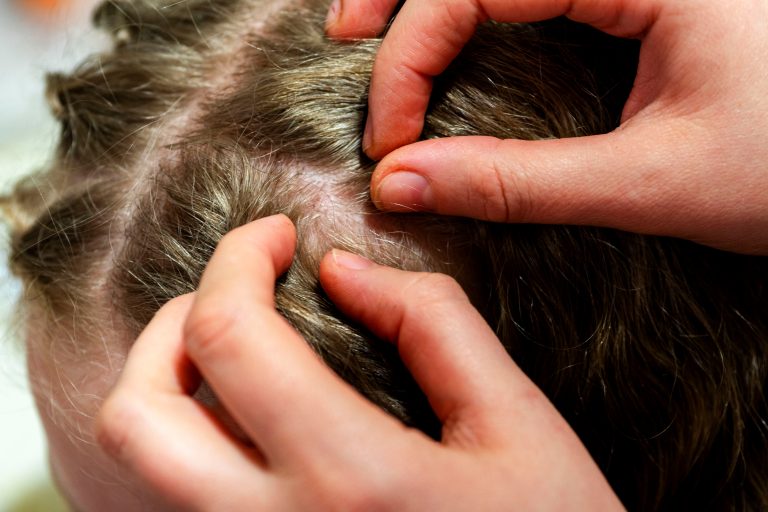
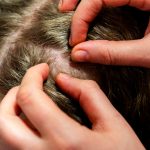
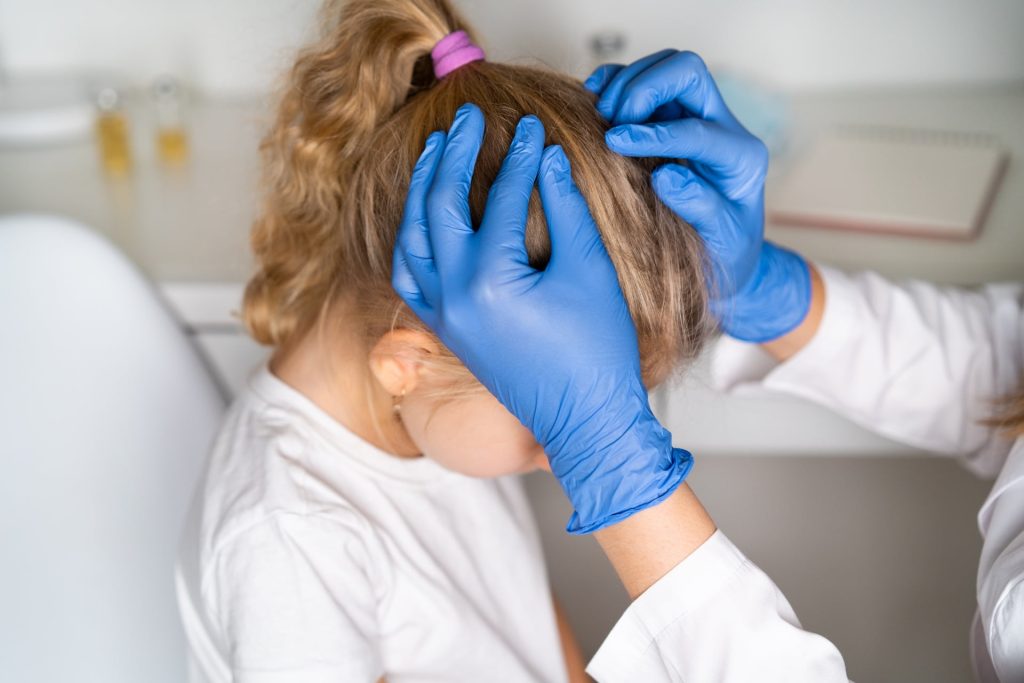
The most effective time to prevent a holiday lice outbreak is before the gatherings begin. Start with a thorough head check for every family member approximately 5 to 7 days before the first major holiday event. Use a fine-toothed metal nit comb under bright, direct light, and section the hair into quarter-inch parts to ensure complete coverage. Focus on the nape of the neck and behind the ears. Catching an existing case before a gathering prevents it from spreading to relatives and friends, saving multiple families from weeks of treatment and stress.
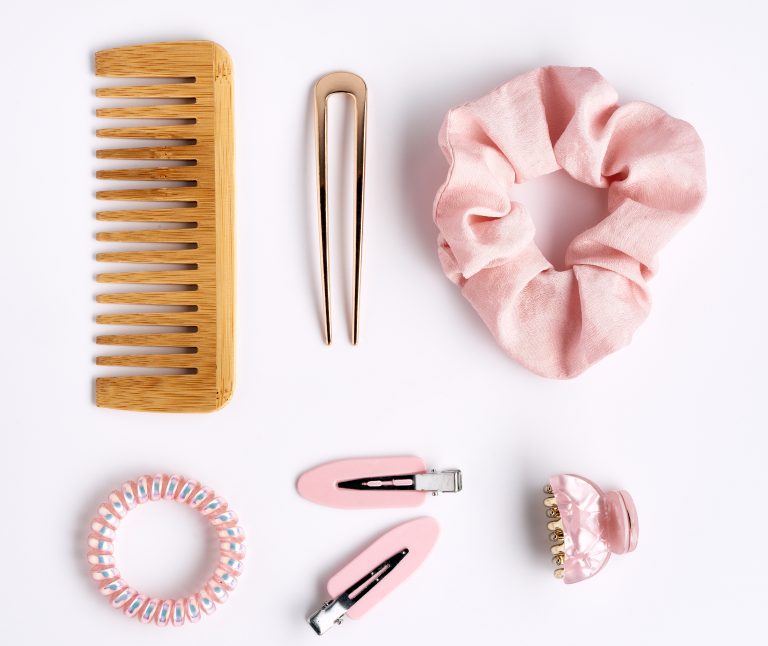
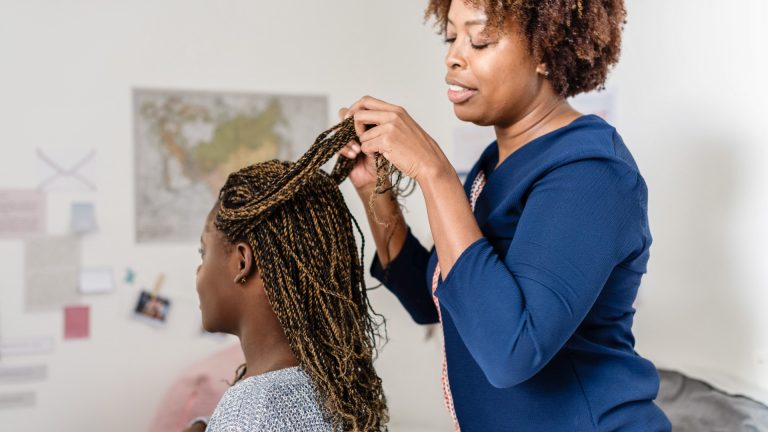
Establish personal item boundaries for the entire holiday season. Give each child their own labeled comb, brush, hair ties, and accessories, and make a clear family rule that these items are never shared with anyone outside the household. Pack personal pillowcases for overnight stays and bring individual sleeping bags rather than relying on shared bedding at a host’s home. These simple preparations reduce indirect lice transmission risk. For children with longer hair, style it in braids, buns, or tight ponytails before every holiday event.
Consider adding a preventive lice repellent spray to your family’s daily holiday routine. Products containing natural mint oil, rosemary extract, or tea tree oil create a scent barrier that lice find unappealing. Apply the spray to your child’s hair each morning before school holiday concerts, playdates, and family visits for an added layer of protection that requires minimal effort and costs just a few cents per application.
How Should You Handle a Lice Discovery During the Holidays?
Discovering lice during a holiday gathering is stressful, but the situation is manageable if you act quickly and communicate openly. The first step is to isolate the affected child’s personal items, including their pillow, hairbrush, hat, and any shared blankets, and seal them in a plastic bag. The CDC says to seal items that cannot be washed or dry cleaned in a plastic bag for two weeks, with no special cleaning products needed. Then conduct head checks on every person who had close contact with the affected child within the previous 48 hours.
Communicating the discovery to family members is essential but can feel daunting during what should be a joyful celebration. Keep the tone calm and factual: lice are extremely common, affecting an estimated 6 to 12 million children per year, and they have absolutely nothing to do with hygiene or cleanliness. Frame the conversation as a health notification rather than an accusation. Our article on how to communicate about lice without drama provides scripts and strategies that apply equally well to family situations as they do to school notifications.
Avoid the temptation to grab an over-the-counter lice shampoo from the nearest drugstore as a quick holiday fix. Permethrin-based products like Nix now often fail due to widespread genetic resistance in modern super lice populations, and an incomplete treatment during the holidays means you will still be dealing with the problem weeks later when school resumes. If professional treatment is not available on the actual holiday, begin systematic wet combing every 3 to 4 days using a metal nit comb and conditioner, and schedule a professional appointment at Lice Lifters as soon as our holiday hours allow. This bridge strategy contains the infestation while you wait for definitive treatment.
What Post-Holiday Steps Protect Against Lingering Infestations?
The week between returning from holiday travel and the start of the new school semester is the most important window for catching lice before they spread further. Conduct a comprehensive head check on every family member within 24 hours of arriving home, and repeat the check 7 days later to catch any nits that may have been too small to detect during the first screening. Freshly laid eggs take 7 to 10 days to hatch, so a second check at the one-week mark catches newly emerged nymphs before they mature enough to lay eggs of their own and perpetuate the cycle.
Launder all travel items promptly: wash clothing, pajamas, and bedding on a hot cycle at 130 degrees Fahrenheit or higher, and tumble dry for at least 30 minutes on high heat. Items that cannot be machine-washed, such as stuffed animals, decorative pillows, and delicate winter accessories, should be sealed in plastic bags for two weeks, as the CDC advises. Vacuum car seats, headrests, and any upholstered surfaces that may have been in contact with hair during holiday travel. For a complete step-by-step guide, visit our resource on cleaning your house after a lice infestation.
Continue applying preventive mint-based spray and maintaining braided or pulled-back hairstyles through the first 2 weeks of January, as this is when holiday-acquired infestations typically become symptomatic. The average lice infestation takes 2 to 4 weeks to produce noticeable itching, which means a case contracted during Christmas week may not cause symptoms until mid-January. Staying vigilant during this lag period is the key to catching problems early, before they spread to classmates, teammates, and other families in your Ocean County community.
How Does Lice Lifters of Ocean County Support Families During the Holidays?
Lice Lifters of Ocean County understands that lice emergencies do not respect holiday calendars, which is why we maintain flexible scheduling throughout the entire holiday season. Families in Toms River, Brick, Jackson, Lacey, Point Pleasant, Barnegat, and surrounding communities can count on us for professional head screenings, single-visit treatments, and take-home prevention kits designed to protect your family through the remainder of the winter season. Our experienced technicians treat every case with care, compassion, and the clinical expertise needed to resolve even the most stubborn infestations efficiently.
Whether you need a pre-holiday screening to ensure your family is clear before visiting relatives, an emergency treatment appointment during winter break, or a post-holiday check to confirm your children are lice-free before returning to school, our team is here to help. Same-day and next-day appointments are frequently available, and our treatment takes about an hour per person. Call Lice Lifters of Ocean County today to schedule your holiday appointment and protect your family during the busiest lice season of the year.
Frequently Asked Questions
Are lice more common around the holidays?
Yes. Professional lice clinics report that January and February are their busiest months, directly following the holiday travel and gathering season. The combination of extended family visits, shared winter accessories, sleepovers, and school break activities creates significantly more transmission opportunities than a typical school week. The wave of new cases contracted during December holidays typically becomes symptomatic and diagnosed in the first 2 to 4 weeks of the new year.
Should I check my child’s head before holiday gatherings?
Absolutely. A thorough head check 5 to 7 days before your first holiday gathering gives you time to address any existing case before it spreads to relatives. Use a fine-toothed metal nit comb under bright light and focus on the nape of the neck and behind the ears. This simple 10-minute screening can prevent weeks of stress for your entire extended family.
Can lice spread through holiday gifts like hats and scarves?
It is possible but uncommon with brand-new, unworn gifts. The risk arises when children try on hats, scarves, and earmuffs at stores or when previously worn items are passed from one child to another. Lice can survive on fabric for 24 to 48 hours, so any recently worn winter accessory could theoretically harbor live lice. New, unworn gifts pose virtually no risk.
How do I tell relatives my child has lice?
Keep the conversation calm, factual, and free of apology. Emphasize that lice affect 6 to 12 million children per year and have nothing to do with cleanliness. A straightforward message like, “We found lice on our child and wanted to let you know so you can check your kids too,” is both responsible and non-dramatic. Most family members will appreciate the honesty and the chance to catch any cases early.
Is Lice Lifters of Ocean County open during the holidays?
Yes. We maintain flexible holiday scheduling throughout the Thanksgiving, Christmas, Hanukkah, and New Year’s period because we know that lice do not take holidays. Extended hours and additional appointment slots are available during the winter break weeks. Call us directly to check current holiday availability and book the time that works best for your family’s schedule.
What is the fastest way to treat lice during the holiday break?
Professional treatment at Lice Lifters of Ocean County is the fastest and most reliable option, resolving infestations in a single visit of about an hour. Over-the-counter products often fail against super lice and require follow-up applications 7 to 10 days later. If you discover lice during the holidays, call us to schedule a same-day or next-day appointment rather than spending the break battling an infestation with unreliable home remedies.