

Lice travel by crawling along hair strands and are completely unable to jump, hop, or fly. Despite this, many parents believe lice can jump from head to head. This misconception drives unnecessary fear and leads to ineffective prevention strategies for families in Toms River, Brick, Jackson, and across Ocean County. Understanding how lice actually move is the foundation of effective prevention. When parents base their prevention strategies on accurate science rather than myths, they can focus their efforts on the transmission methods that actually matter and stop wasting time and money on measures that address nonexistent risks.
Why Can’t Lice Jump or Fly Like Other Insects?
Head lice belong to the order Phthiraptera and have evolved over millions of years as obligate human ectoparasites. Their six legs end in specialized tarsal claws that are perfectly adapted for gripping round hair shafts but are useless for jumping or walking on flat surfaces. The CDC confirms that head lice do not have wings and cannot fly. Unlike fleas, which possess powerful hind legs with elastic proteins that enable jumps of up to 150 times their body length, lice have no such adaptation.
When a louse falls off a head onto a flat surface like a desk or pillow, it becomes essentially immobilized, unable to climb back onto a host without the textured surface of a hair strand to grip. This is why the CDC states that environmental transmission, while possible, is far less common than direct head-to-head contact. Understanding this biological limitation is critical for parents because it means that lice sitting on a classroom desk, school bus seat, or gymnasium floor pose virtually no threat to passing children. The louse must be physically placed onto a hair strand through direct contact to establish a new infestation.
How Do Lice Actually Transfer Between People?
Head lice mainly spread through direct head-to-head contact. When two people’s hair touches for a sustained period, a louse can walk from one hair strand to the adjacent strand. This explains why children aged 3 to 11 are the most commonly affected group: their play, social habits, and physical affection involve more head-to-head proximity than any other age group.
In Ocean County schools from Toms River to Barnegat, activities that bring heads close together, including reading circles, playground huddles, selfie-taking, and whispering, are the primary transmission events. Adult-to-child transmission occurs most often during bedtime routines, couch time, and carrying small children, which is why parents, especially mothers, are the most commonly infested adult group.
Can Lice Spread Through Shared Objects Like Hats and Brushes?
This is where the evidence gets nuanced. The AAP acknowledges that indirect transmission through shared items is theoretically possible but emphasizes it is far less common than direct contact. The CDC states that lice can survive up to 48 hours away from a human host, but their grip on smooth surfaces like hat brims and brush handles is tenuous.
Sharing hats, helmets, headphones, hair ties, and brushes does create a low-probability transfer opportunity, and the CDC recommends avoiding these practices as a precaution. However, deep-cleaning the house, bagging stuffed animals for weeks, and spraying pesticide foggers are not justified by the transmission data. Families in Lacey, Point Pleasant, and throughout Ocean County can focus their prevention energy where it matters most: reducing head-to-head contact.
What About Transmission Through Furniture or Car Seats?
A louse that falls onto a couch, pillow, or car headrest will typically die within 24 to 48 hours without a blood meal, according to the CDC. While brief survival on furniture is possible, the louse must then make contact with someone’s hair to transfer, which requires the person to press their head directly against the surface where the louse sits. The probability of this chain of events is low.
The CDC advises against extensive furniture cleaning, recommending only a quick vacuum of surfaces that had recent direct head contact. Families who spend hours deep-cleaning every surface in their home are investing time and energy in a transmission pathway that the CDC describes as a very small risk. That effort is better directed toward thorough head checks for every household member.
Do Lice Spread in Swimming Pools or Bathtubs?
Lice can survive submersion in water by closing their breathing spiracles. However, lice grip hair tightly during submersion and are unlikely to detach and float to another person. The CDC states that swimming pool transmission is not considered a significant risk. The more relevant concern at pools and beaches is sharing towels, brushes, and hair accessories in changing areas. Ocean County families visiting Point Pleasant beaches should focus on keeping personal items personal rather than worrying about the water itself. Sharing towels immediately after swimming, when hair is wet and items are passed freely between friends, represents the actual risk at aquatic environments rather than the water itself.
What Prevention Strategies Actually Work Based on How Lice Spread?
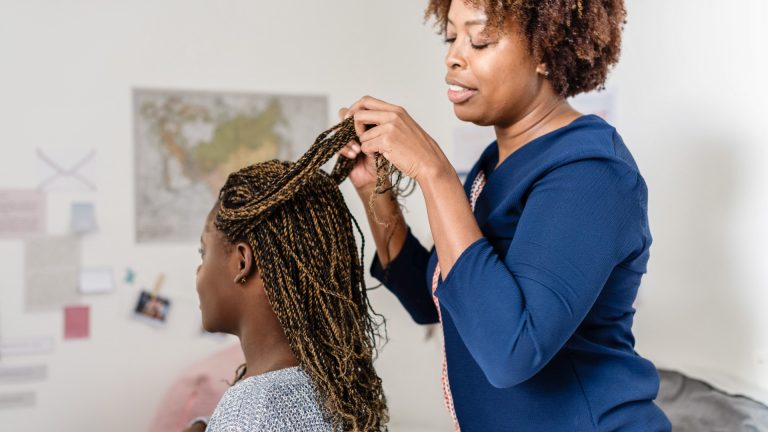
Since transmission requires direct hair-to-hair contact, the most effective prevention strategies target that contact point. Keep long hair tied back in braids, buns, or ponytails during school and activities. Teaching children to avoid head-to-head contact during play, to resist sharing hats and hair accessories, and to use their own headphones and brushes are all evidence-based recommendations. Weekly wet-combing head checks catch infestations early before they can spread.
At Lice Lifters of Ocean County, we educate every family on these evidence-based strategies during their visit. Our Toms River clinic also offers head checks so families in Brick, Jackson, Lacey, Point Pleasant, and Barnegat can get peace of mind quickly. For a comprehensive prevention plan, see our back-to-school lice prevention checklist.
How Effective Are Lice-Repellent Sprays and Products?
Products marketed as lice repellents, typically containing tea tree oil or rosemary extract, have limited clinical support. Behavioral strategies remain more effective than any repellent product currently available. For detailed product evaluations, see our prevention products review.
What Should You Do If Your Child Is Exposed?
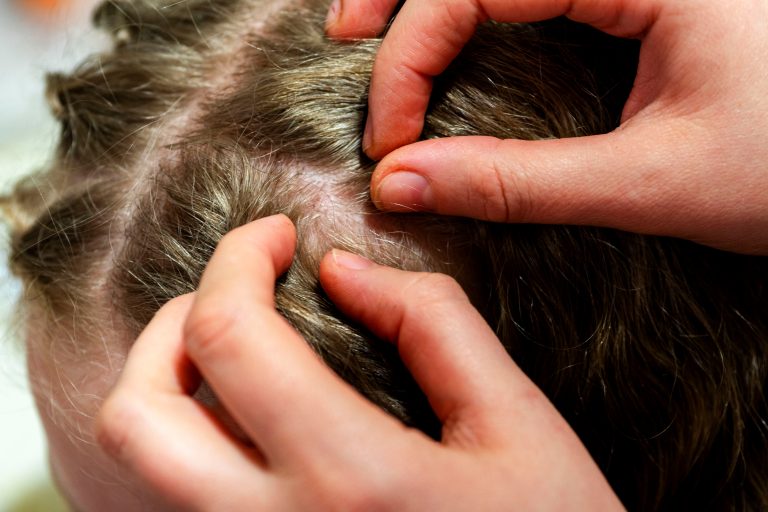
Perform a thorough wet-combing head check within 24 hours of known exposure. Check all household members. If live lice or viable nits are found, begin treatment immediately. At Lice Lifters of Ocean County, we offer same-day treatment appointments. The sooner you act, the smaller the infestation and the lower the chance of household spread. For a complete exposure response plan, read our guide on preventing lice after exposure.
Frequently Asked Questions
Can lice crawl across a pillow from one person to another?
While technically possible, it is uncommon. Lice struggle on flat surfaces and the CDC states environmental transmission is far less frequent than direct head contact. Using individual pillowcases and washing bedding in hot water of at least 130 degrees Fahrenheit reduces even this small risk. The CDC recommends machine washing and drying items on high heat that have been in contact with an infested person within the 48 hours before treatment.
How close do heads need to be for lice to transfer?
Hair must be in direct contact. Lice cannot bridge gaps between heads.
Can my child get lice from sitting next to someone who has them?
Simply sitting next to someone does not cause transmission. Lice require direct hair contact to transfer. Casual proximity in a classroom, bus, or cafeteria without hair touching does not constitute a transmission event.
Do lice prefer certain types of hair for spreading?
Lice grip round hair shafts most easily and are less common among people with oval-shaped hair strands, according to the CDC. However, all hair types are susceptible to lice regardless of texture, color, or cleanliness.
Should I worry about lice in movie theaters or airplanes?
The risk is extremely low. Lice on headrests would need to make direct contact with your hair, and they cannot jump the gap. The CDC considers environmental transmission rare. Using a scarf or keeping hair up provides reasonable precaution in shared seating.
How does Lice Lifters of Ocean County help with prevention education?
We educate every family on evidence-based prevention strategies during their visit, provide take-home prevention kits, and offer school and community education programs. Our Toms River clinic serves families from across Ocean County with both treatment and prevention resources.