
When a lice outbreak hits your child’s school in Toms River, Brick, or Jackson, the question every parent asks is: how often should I be checking? The answer depends on the severity of the outbreak and your child’s exposure level, but the short version is: more often than you think. According to the CDC, an estimated 6 to 12 million children contract head lice each year in the United States, and outbreaks in school settings can spread rapidly through head-to-head contact. At Lice Lifters of Ocean County, we recommend a proactive screening schedule that catches infestations early—before they become a bigger problem for your family and community.
How Frequently Should You Check During an Active School Outbreak?
During an active outbreak notification from your child’s school, we recommend checking every 2 to 3 days for a minimum of two weeks after the last reported case. Early detection matters enormously, because a single female louse that goes unnoticed keeps laying eggs every day, turning a minor case into a significant infestation. The AAP says regular checks are a good way to spot head lice before they have time to multiply. For Lacey, Point Pleasant, and Barnegat area families, this frequency may feel aggressive, but it is the single most effective outbreak containment strategy available.
What Is the Best Technique for a Home Lice Check?
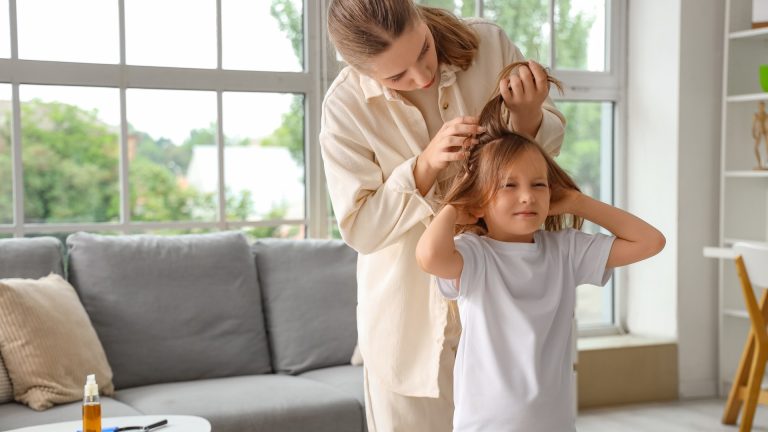
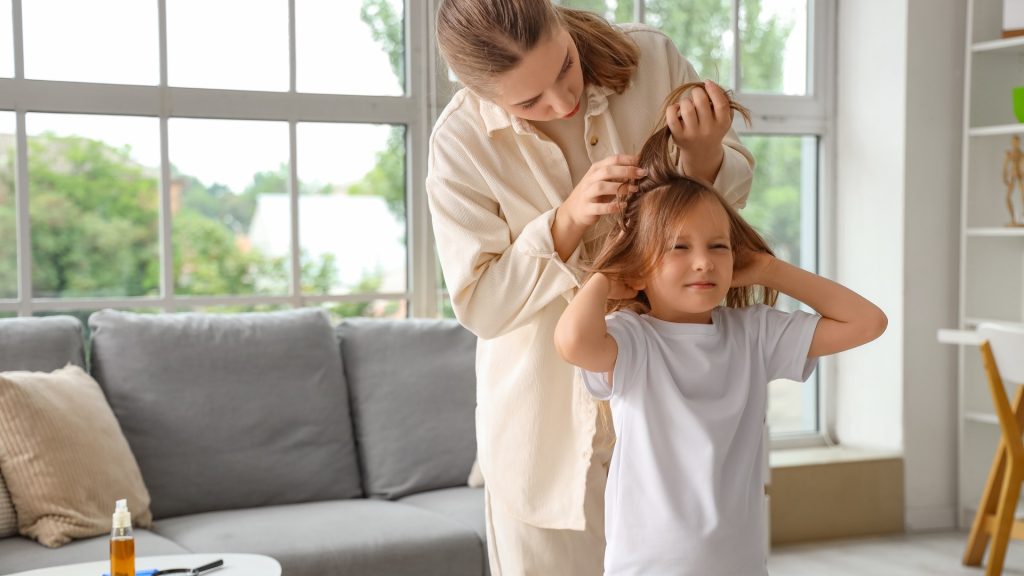
The wet-comb method is considered the gold standard for home detection. Wet the hair thoroughly and apply a generous amount of conditioner, which slows lice movement and makes them easier to spot. Using a fine-toothed nit comb (metal combs are more effective than plastic), comb through small sections of hair from root to tip. Wipe the comb on a white paper towel after each stroke and examine for live lice or nits.
Focus on the areas behind the ears, the nape of the neck, and the crown of the head—these warm zones are where lice prefer to lay eggs. A thorough check takes 10 to 15 minutes per person. The CDC recommends good lighting and a systematic approach to ensure no section of scalp is missed.
Should You Check All Family Members or Just the Exposed Child?
Always check every household member. Siblings who share beds, towels, or close play space are at the highest risk, but parents—especially mothers—are also frequently affected. The American Academy of Pediatrics recommends screening all close household contacts whenever a case is identified. At Lice Lifters of Ocean County, we offer family screening packages specifically because treating only the initially identified case often leads to re-infestation within days. Families across Toms River and Brick save time and frustration by screening everyone from the start. Visit our appointments page to book a family screening.
How Long After Exposure Should You Start Checking?
Begin checking the same day you receive an outbreak notification. While symptoms (itching) may not appear for 4 to 6 weeks after initial infestation—since they result from an allergic reaction to lice saliva—live lice can often be detected within days of transmission. Nits become visible approximately 7 to 10 days after being laid. The critical window for early detection is the first 1 to 2 weeks after known exposure. The CDC advises that anyone who has had head-to-head contact with an infested individual should be screened promptly.
What Should You Do If You Find Lice During a Routine Check?
If you find live lice or viable nits during a home check, take immediate but measured action. First, recheck all family members who have not yet been screened. Second, contact Lice Lifters of Ocean County for professional treatment—we frequently accommodate same-day or next-day appointments during outbreak season. Third, notify your child’s school and the parents of any children who have had recent close contact.
Fourth, begin basic environmental precautions: wash the child’s bedding in hot water above 130 degrees Fahrenheit, vacuum upholstered seating areas, and seal non-washable items for two weeks, as the CDC advises. The CDC notes that extensive environmental cleaning is not necessary since lice cannot survive more than 24 to 48 hours off the human scalp. Our professional lice treatment eliminates the infestation in a single visit, so your family’s disruption is measured in hours, not weeks.
How Long Should You Continue Checking After Treatment?
After professional treatment at Lice Lifters of Ocean County, we recommend follow-up checks at 7, 10, and 14 days post-treatment. This schedule aligns with the lice life cycle—any nit that was theoretically missed would hatch within 7 to 10 days, and a resulting nymph would become visible within 14 days. These follow-up checks provide peace of mind and catch the rare exception.
If the school outbreak is still ongoing, continue checking every 2 to 3 days for two weeks beyond the last reported case. Families in Jackson, Barnegat, and throughout Ocean County who maintain this schedule virtually eliminate the risk of an undetected re-infestation.
Can Schools Help with Lice Screening?
Many Ocean County schools conduct periodic head checks through the school nurse’s office, particularly during known outbreaks. This is not a criticism of school nurses—it simply reflects the limitations of quick visual checks versus the more thorough wet-comb method. The American Academy of Pediatrics no longer recommends routine classroom-wide head checks, saying school screening programs have not significantly reduced lice and may stigmatize affected children. Consider school screenings a helpful first line of defense, but not a replacement for regular home checks during outbreak periods. Professional screening at our clinic provides the most accurate assessment.
Should You Check Year-Round or Only During Outbreaks?
Lice do not have a true “season,” though cases tend to peak during the school year when children are in close contact. Cases are often reported at the beginning of the school year and after winter break, when kids have been sharing pillows and close spaces during sleepovers. We recommend a baseline monthly check during the school year, increasing to every 2 to 3 days during active outbreaks. During summer, biweekly checks are reasonable if your child attends camp or has frequent playdates. Read our guide on what kills lice eggs for more information on preventing reinfestation. This approach balances vigilance with practicality for busy Point Pleasant and Lacey families.
What Tools Do You Need for Effective Home Screening?
Equipping yourself with the right tools makes home checks faster and more accurate. Here is what we recommend:
- Metal fine-toothed nit comb: The Lice Lifters comb or similar medical-grade metal comb with teeth spaced 0.2 to 0.3mm apart is essential. Plastic combs miss smaller nits.
- White conditioner: Apply generously to wet hair to slow lice and improve visibility against the white background.
- White paper towels: Wipe the comb after each pass to inspect for lice and nits against a clean surface.
- Good lighting: Natural daylight or a bright LED lamp helps distinguish nits from debris.
- Sectioning clips: Divide hair into manageable sections to ensure complete coverage during the check.
With these tools and 10 to 15 minutes per person, you can conduct a reliable screening that rivals clinical accuracy. Families should keep a dedicated lice-checking kit on hand during outbreak season so screenings can happen promptly whenever exposure is reported.
Frequently Asked Questions
How often should I check my child for lice during a school outbreak?
Check every 2 to 3 days for at least two weeks after the last reported case. This catches infestations early and reduces spread throughout the school community.
What time of year are lice most common?
Cases peak during the school year, especially at the start of school and after winter break, though lice can spread any time of year when close contact occurs.
Can I check for lice on dry hair?
Wet-combing with conditioner can make lice easier to spot than dry visual inspection. Always use the wet-comb method for reliable results.
How long does a home lice check take?
A thorough wet-comb check takes 10 to 15 minutes per person. The time investment is small compared to treating a missed infestation that has had weeks to establish.
Should I check for lice if my child is not itching?
Yes. Itching may not develop for 4 to 6 weeks after infestation because it results from an allergic sensitization to lice saliva. Regular checks catch cases before symptoms appear.
What does a lice nit look like?
Nits are tiny, teardrop-shaped eggs firmly attached to the hair shaft near the scalp. They are tan to yellowish when viable and white when empty. They do not move or flake off like dandruff.