
For parents of children on the autism spectrum, a head lice diagnosis introduces challenges that go far beyond the infestation itself. Sensory sensitivities, difficulty sitting still, and anxiety about unfamiliar procedures can make standard lice treatment autism-complicated and stressful. Many children with autism spectrum disorder will encounter head lice during their school years.
At Lice Lifters of Ocean County, we understand these unique challenges and provide sensory-friendly treatment options designed to make the experience as comfortable as possible for neurodivergent children and their families across Toms River, Brick, and beyond.
Why Is Standard Lice Treatment Difficult for Children with Autism?
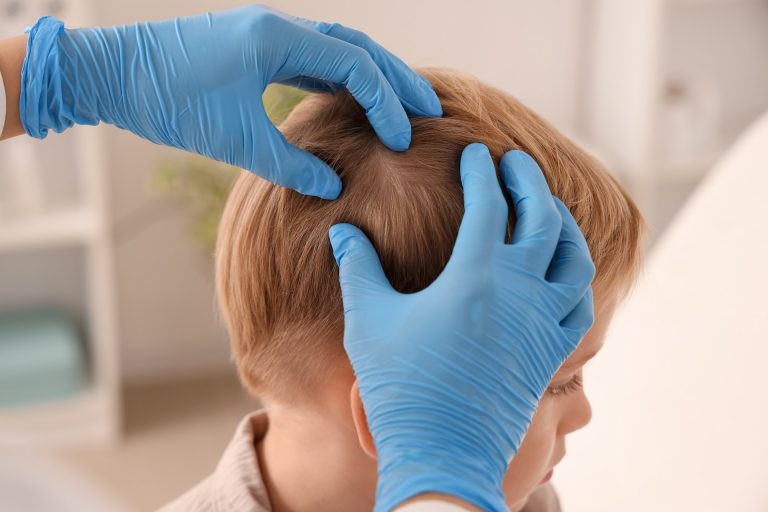
Standard lice treatment involves applying products to the scalp, combing through hair with a fine-toothed nit comb, and sitting relatively still for an extended period. For neurotypical children, this process can already be unpleasant. For children with autism, the sensory input involved — the feeling of liquid on the scalp, the tugging of a comb through wet hair, unfamiliar smells, and the need to remain stationary — can trigger significant distress. Many children with autism experience atypical sensory processing, with tactile sensitivity being one of the most common manifestations. This means that what feels mildly uncomfortable to one child can feel genuinely painful or overwhelming to a child with heightened sensory awareness.
Common Sensory Triggers During Lice Treatment
Parents in Jackson and Lacey have shared with us the specific challenges they face. The sound of a nit comb scraping near the ears, the smell of treatment products, the sensation of wet hair being sectioned and pulled, and the bright overhead lights in a treatment room can all become overwhelming stimuli. Children may respond with crying, physical resistance, meltdowns, or shutting down entirely. Occupational therapy strategies that address tactile defensiveness can be directly applied to medical and grooming procedures, helping children tolerate necessary treatments with significantly less distress. Understanding these triggers is the first step toward creating a treatment experience that respects the child’s sensory needs while still achieving complete lice removal. Our blog offers additional resources on preparing children for medical and treatment appointments.
What Sensory-Friendly Accommodations Can Make a Difference?
Creating a sensory-friendly lice treatment experience involves modifying the environment, the pace, and the communication approach. At Lice Lifters of Ocean County, we work with parents to develop an individualized plan before the appointment begins. Accommodations may include dimming overhead lights, allowing the child to wear noise-canceling headphones, providing a preferred comfort item or tablet for distraction, taking frequent breaks, and using gentle verbal narration to describe each step before it happens. Predictability and sensory modification significantly reduce anxiety and improve cooperation during medical procedures. These same principles apply directly to professional lice treatment. Healthcare providers working with neurodivergent populations should adopt individualized accommodation plans, recognizing that a one-size-fits-all approach frequently results in incomplete treatment and increased family stress.
Communication Strategies That Help
Many children with autism benefit from visual schedules, social stories, or advance preparation for new experiences. Parents in Point Pleasant and Barnegat can create a simple visual schedule showing the steps of the lice treatment process — arrive, sit in chair, feel comb in hair, take a break, finish, go home. Sharing photos of the treatment room in advance or even scheduling a brief pre-visit to familiarize the child with the environment can dramatically reduce anxiety. Advance preparation through visual supports can reduce behavioral resistance during novel medical procedures. Our team is experienced in working with neurodiverse families and will follow the parent’s lead on communication preferences and pacing.
Are Chemical-Free Treatments Safer for Sensory-Sensitive Children?
Chemical lice treatments pose additional concerns for children with autism. Many children on the spectrum have co-occurring sensitivities to fragrances, dyes, and chemical ingredients. Permethrin-based products, which are the most common over-the-counter option, have a distinct smell and can cause scalp irritation — sensations that may be amplified for a child with tactile and olfactory sensitivity. Contact dermatitis and scalp irritation are reported side effects of permethrin.
For sensory-sensitive children, even mild irritation can become intolerable. The all-natural, non-toxic treatment used at Lice Lifters of Ocean County avoids these chemical concerns entirely, making it a safer and more comfortable option for children who react strongly to synthetic products.
How Can Parents Prepare an Autistic Child for Lice Treatment?
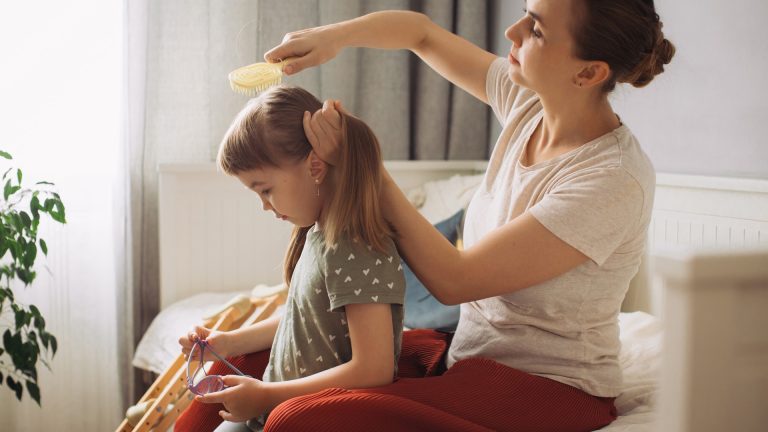
Preparation is the most powerful tool parents have. Starting several days before the appointment, introduce the concept using age-appropriate language and visual aids. Practice sitting in a chair for gradually increasing periods while having hair brushed. Let the child see and touch a nit comb before the appointment so it is not a novel stimulus during treatment. Bring preferred snacks, drinks, a weighted lap pad, or any other comfort items that help your child regulate.
Families across Toms River and Brick have found that a well-prepared child often handles the treatment process far better than expected. Advance preparation can reduce procedure-related anxiety in children with autism when visual aids and graduated exposure techniques are used in the days leading up to the appointment. If your child has a behavioral therapist or occupational therapist, consider consulting them for additional strategies specific to your child’s sensory profile. For general tips on lice management, explore our expert blog articles.
Working With Your Child’s Support Team
Collaboration between parents, treatment providers, and the child’s existing support team produces the best outcomes. If your child works with an ABA therapist, occupational therapist, or behavioral specialist, sharing information about the upcoming lice treatment can allow them to incorporate preparation into therapy sessions. Some families find it helpful to have a familiar support person present during the treatment appointment. At Lice Lifters of Ocean County, we welcome parents, caregivers, and support professionals to be present and involved throughout the process. We find that having a familiar person present significantly reduces anxiety and allows the treatment to proceed more smoothly. When the support team is involved in planning, they can also help reinforce positive associations with the experience, making any future follow-up visits easier for the child and the entire family.
What Makes Professional Treatment the Best Choice for Neurodiverse Families?
Professional lice treatment offers advantages that are especially meaningful for families managing autism. At-home treatment attempts often require multiple sessions over days or weeks, each one presenting a new opportunity for sensory distress. A professional visit at Lice Lifters of Ocean County resolves the infestation in a single appointment, minimizing the total number of uncomfortable experiences. Our technicians are trained in gentle technique, maintain a calm and patient demeanor, and understand that each child’s needs are different.
We never rush, and we will pause as many times as needed to ensure the child remains as comfortable as possible. Our technicians have received specialized training in working with sensory-sensitive children, and we maintain a library of visual schedules and social story templates that families can access before their visit to help prepare their child for the experience. For Ocean County families — from Jackson to Barnegat — professional treatment transforms a potentially traumatic experience into a manageable one.
Post-Treatment Support and Follow-Up
After treatment, we provide clear aftercare instructions that parents can adapt to their child’s routine. We understand that follow-up combing at home may present its own challenges, so we offer guidance on making post-treatment checks as sensory-friendly as possible. If a follow-up visit is needed, we will apply the same accommodations to ensure consistency and predictability for the child. We recognize that transitions and changes in routine can be particularly challenging for children on the spectrum, which is why we maintain detailed notes from each visit so that subsequent appointments can replicate the same environment, lighting, technician, and pacing that worked during the initial treatment. This continuity of care is a cornerstone of our approach to serving neurodiverse families throughout Ocean County, from Toms River and Brick to Jackson, Lacey, Point Pleasant, and Barnegat.
Frequently Asked Questions
Can children with autism get professional lice treatment?
Absolutely. Lice Lifters of Ocean County proudly provides comprehensive sensory-friendly treatment accommodations for children with autism, including modified lighting, breaks, and gentle communication throughout the process.
Are chemical lice treatments safe for children with sensory sensitivities?
Chemical treatments can cause scalp irritation and strong odors that are especially challenging for sensory-sensitive children. Non-toxic, all-natural treatment is generally a better option.
How can I prepare my autistic child for lice treatment?
Use visual schedules, practice sitting with hair being brushed, let your child see the tools in advance, and bring comfort items. Preparation and predictability significantly reduce anxiety.
Will the treatment technician understand my child’s needs?
Yes. Our professionally trained team is experienced in working with neurodiverse children and will follow your guidance on communication preferences, pacing, and sensory accommodations.
How long does the treatment take?
Treatment typically takes about an hour, though we will take breaks as needed. For children with autism, the session may take slightly longer to accommodate comfort breaks.
Can I stay with my child during treatment?
Yes. Parents, caregivers, and support professionals are welcome to be present and involved throughout the entire treatment process at Lice Lifters of Ocean County.