
Every parent in Ocean County has had that moment of panic — your child leans back in a movie theater seat or settles into an airplane headrest, and you wonder: can my kid catch lice in public spaces? It is a valid concern. According to the Centers for Disease Control and Prevention (CDC), an estimated 6 to 12 million head lice infestations occur each year among children aged 3 to 11 in the United States. At Lice Lifters of Ocean County, we help families from Toms River to Point Pleasant separate lice myths from medically supported facts so they can make informed decisions about prevention and treatment.
How Does Head Lice Transmission Actually Work?
Head lice are wingless parasites that cannot fly or jump. They spread almost exclusively through direct head-to-head contact, crawling from one hair strand to another. Lice spread mainly through direct head-to-head contact rather than environmental exposure. The American Academy of Pediatrics confirms that indirect transmission — through shared objects or surfaces — is considered rare. Lice depend on human blood for survival, and a louse that falls off the scalp typically dies within 24 to 48 hours without a host. This biological limitation is the key reason that casual contact with public surfaces poses minimal risk compared to the close, prolonged contact common among children during play or sleepovers.
Why Direct Contact Matters More Than Surfaces
Lice claws are specifically adapted to grip human hair shafts, making it difficult for them to cling to smooth or upholstered surfaces. Families in Brick and Jackson can take comfort knowing that brief contact with a seat back is very different from the sustained head-to-head contact that actually facilitates an infestation. If your child does contract lice, our blog resource library offers guidance on next steps.
Can You Catch Lice at the Movie Theater?
Movie theaters are one of the most commonly cited worry spots for parents. The plush, upholstered seats and darkened environment seem like a perfect hiding place for lice. However, the reality is far less alarming. Lice need warmth and access to blood to survive, and fabric seats do not provide either. The duration of a typical movie — around two hours — is not long enough for a viable louse to transfer from a seat to a new host under normal conditions. That said, if children are sitting head-to-head with friends, direct transmission remains possible regardless of the venue.
Practical Tips for Theatergoing Families
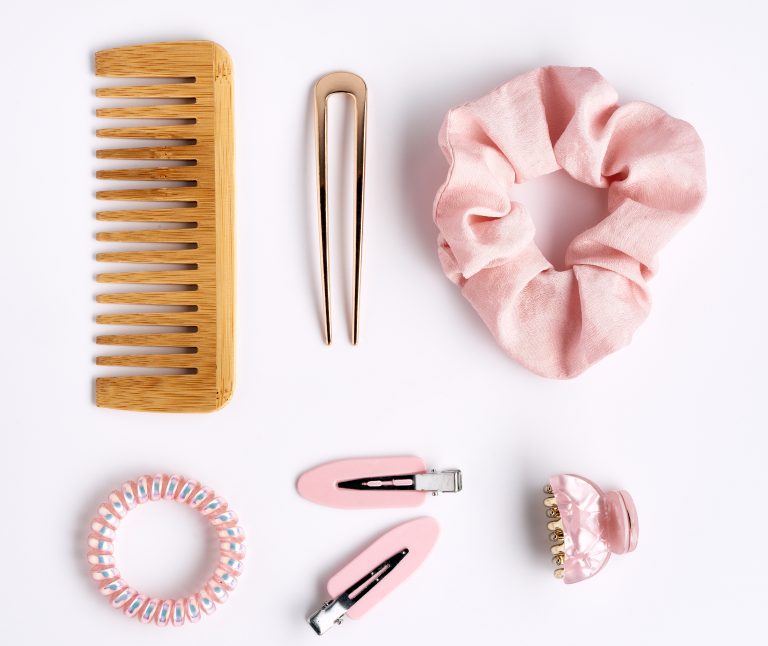
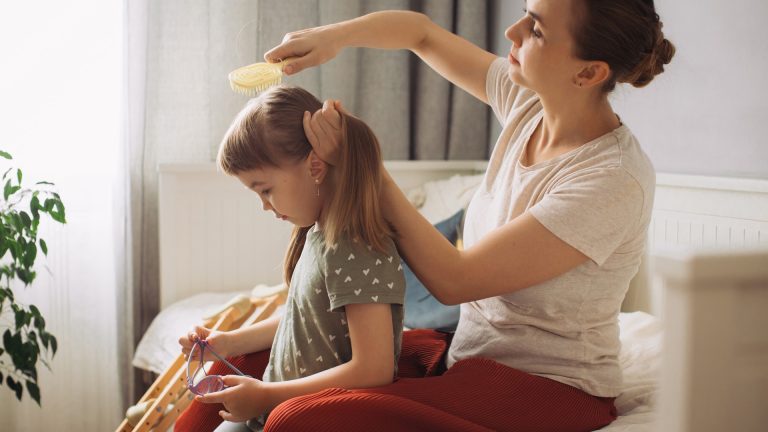
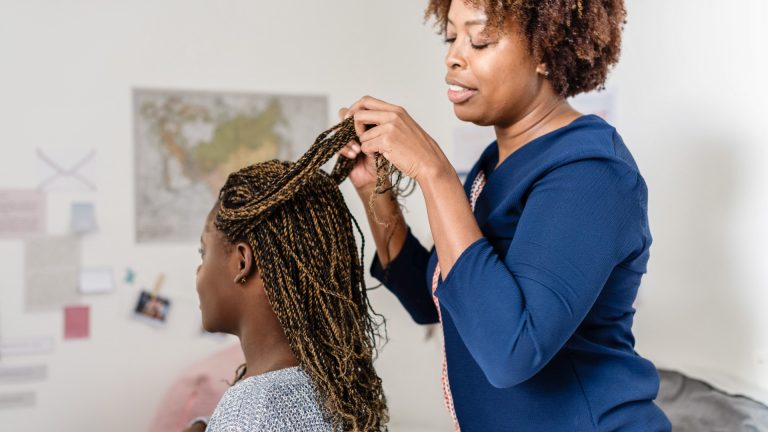
Parents in Lacey and Barnegat who want extra peace of mind can take simple precautions. Encourage your child to keep their hair tied back in a braid or bun, which can reduce lice transfer opportunity. Avoid sharing hats, scarves, or headphones with friends at the theater. Bring a light jacket or shawl to drape over the headrest if your child is more comfortable with a barrier. A quick post-movie head check using a fine-toothed nit comb under bright bathroom lighting can catch any issues early. These simple habits reduce risk without requiring you to skip family movie nights entirely.
Are Airplane Seats and Headrests a Risk for Lice?
Air travel introduces its own set of concerns. With more than 900 million passengers flying within the United States annually, the question of airborne lice transmission is understandable. Passengers sit in close quarters for extended periods, and airplane headrests are shared by hundreds of travelers. However, the same biological rules apply. Airlines also clean headrest covers between flights, further reducing any theoretical risk. The primary concern during air travel is actually the direct head-to-head contact that can occur between family members or seatmates who fall asleep leaning toward each other. For families flying out of Ocean County for vacation, awareness of this distinction can help focus prevention efforts where they matter most.
What About School Buses, Gyms, and Other Shared Spaces?
Beyond theaters and airplanes, parents often ask about school buses, locker rooms, gym mats, and public transportation. While lice can theoretically survive on a surface for a short time, successful host transfer from inanimate objects is exceedingly uncommon. School buses present a slightly higher concern than movie theaters because children sit close together and may engage in direct head contact during the ride. Gym helmets and sports equipment shared without washing could theoretically harbor lice, but again, the probability is low. The most effective prevention strategy for families across Toms River and Point Pleasant is to teach children to avoid head-to-head contact and to refrain from sharing personal items like combs, brushes, and hair accessories. For more prevention strategies, visit our prevention tips blog section.
High-Risk vs. Low-Risk Scenarios
Understanding relative risk helps parents prioritize. High-risk situations include sleepovers, selfie-taking with heads touching, and sharing beds or pillows. Low-risk situations include sitting in a public chair, using public transportation, or trying on hats at a store. The American Academy of Pediatrics notes that there is a very small chance head lice spread by sharing items such as combs, brushes, hats and sports helmets. By focusing prevention education on high-risk scenarios, parents can protect their children more effectively without unnecessary anxiety about every public outing.
What Should You Do if Your Child Gets Lice After a Public Outing?
If you discover lice after a trip to the movies, a flight, or any other outing, do not panic. The infestation likely originated from direct contact with another person, not the environment. Contact Lice Lifters of Ocean County for a professional head screening. Our trained technicians use a proven, non-toxic treatment process that eliminates both live lice and nits in a single visit. We serve families throughout Ocean County including Toms River, Brick, Jackson, Lacey, Point Pleasant, and Barnegat. Early detection is the most important factor in preventing spread within your household, so schedule a screening as soon as you notice symptoms like persistent itching or visible nits near the scalp.
Why Professional Treatment Outperforms Home Remedies
Over-the-counter lice treatments have shown declining effectiveness due to pesticide resistance. Professional treatment at Lice Lifters uses a specialized, all-natural approach that physically removes lice and nits without relying on chemicals that lice have evolved to resist. This is especially important for Ocean County families who want a solution that works the first time.
Frequently Asked Questions
Can lice survive on movie theater seats?
While a louse could theoretically end up on a seat, it cannot survive long without a human host. Lice die within 24 to 48 hours off the scalp, and the chance of a viable louse transferring from an upholstered seat to a new host is extremely low.
Should I worry about airplane headrests giving my child lice?
The risk from headrests is negligible. Focus instead on minimizing direct head-to-head contact with other passengers.
How quickly can lice spread from person to person?
Lice can transfer between heads during direct head-to-head contact.
Do lice prefer clean or dirty hair?
Lice have no preference for clean or dirty hair. They are attracted to the warmth and blood supply of the human scalp regardless of hygiene.
Can my child get lice from a public swimming pool?
Lice can hold their breath and cling tightly to hair shafts underwater. They do not spread through pool water. However, sharing towels or placing heads close together at the pool could facilitate transmission.
Is it safe to use public transportation during a lice outbreak at school?
Yes. The risk of contracting lice from bus or train seats is very low. Encourage your child to keep hair tied back and avoid direct head contact with other passengers.
How can Lice Lifters of Ocean County help if my child gets lice?
We offer professional, single-visit lice treatment using an all-natural, non-toxic process. Our trained technicians thoroughly remove all live lice and nits.